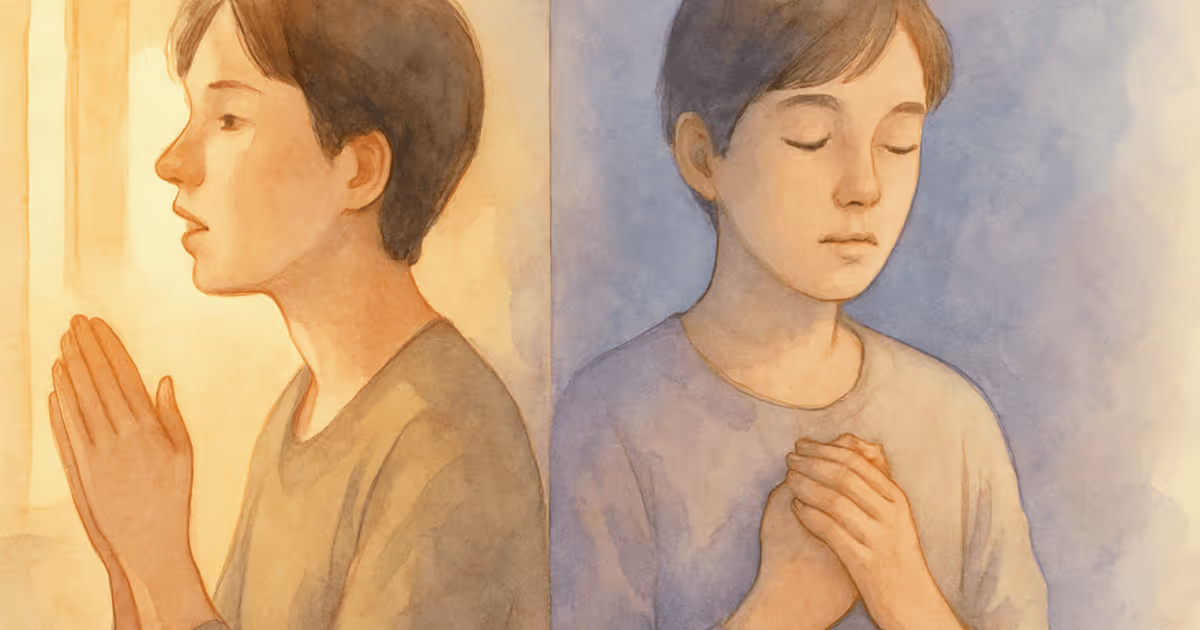
What is basic prayer structure and do you have to use it every time you pray? Prayer is offered by believers in formal as well as informal situations. For example, those new to Christianity and engaging in worship often gather together in a church or other formal setting. In church, praying may be more structured in regard to how it’s done. When praying with friends or family, it’s often more personal in nature and may not contain the same parts or format as one would find in church.
What Is Basic Prayer Structure?
When it comes to praying, many new believers may think that there’s a right way and a wrong way to engage in prayer. However, be aware that God wants to hear from you no matter where you are, whether you’re alone or you’re speaking a prayer out loud or silently in your head. That said, many Christian churches and their clergy provide a more formal prayer structure during services. Not every church follows the same format, but basic prayer structure in such settings often includes the following:
First comes praise or adoration to God. You’re addressing God, so acknowledging His power and His creation and everything in it is often said first. This first part of the prayer acknowledges the wisdom, the magnificence, and the glory given to God Our Father in Heaven. This part of the prayer structure can also be considered similar to the salutation in a written letter. In other words, giving praise or adoration in respect to God at the beginning of a prayer acknowledges that you understand that He is the all-knowing God who has power over everything so that you can focus your prayer on His grace rather than on oneself.
In such a more formal prayer structure, it is also expected that the person praying also confess the might and wisdom of God and that we all fall short of His perfection. This is the time to admit that you have faults, that you have something you want to confess, that you are opening your heart to God and know and understand that He can see deep inside your heart and soul. Prayer is not just asking for something for yourself, it’s also acknowledging our fallibility and desire for forgiveness from God and Christ our Lord.
Thanksgiving is also a part of basic prayer structure. Again, these aspects of prayer may differ from church to church, but thanksgiving should always be included. Thank God for the blessings that you have and offer gratitude. In this way, it’s a time to reflect on what you do have rather than what you don’t. Often, we don’t realize the importance of what we have been blessed with and focus on only what we still need or want or desire.
The last part of most common basic prayer structure parts is known as supplication or a request. This is where you ask for what it is you think you need. When you pray with faith, knowing and truly believing that your prayer is heard by God, you can request support, help, strength, and any other number of things.
Other Forms of Basic Prayer Structure
Other common forms of the basic prayer structure, or any prayer you offer to God, may be known by different names. Intercession and confession are two that may be more common among Christian denominations, but all of them require basic behaviors (not necessarily in any specific order) on the part of the one praying.
- Recognize and acknowledge God’s power, wisdom, and glory
- Confession of one’s shortcomings, faults, sins, and believing that if you pray with a true and humble heart, God will hear your prayers for forgiveness. Of course, that doesn’t mean confessing a sin and then you keep making that same mistake over and over again. As Jesus Christ told the adulterous woman being stoned - found in the New Testament book of John (8:8): ‘Neither do I condemn you; go and sin no more.’
- Petition or ‘ask’ God what it is you need. Many of those new to Christianity ask for strength of spirit, for greater faith, for fortitude during challenging times, and sometimes for more material things. However, it is important that when such petitions or supplications are asked of God, or His son, that you do so in faith and in the spirit of prayer, or communication with God. He knows not only your desires, but your needs. Again, it is with faith that you pray, and even if you don’t receive an answer right away or you don’t receive what you’re specifically asking for, it doesn’t mean that God did not hear you. It simply means that He knows what’s best for you even if you don’t.
- Give thanks for the blessings that you do have. During the Sermon on the Mount, Jesus talked to his followers about prayer (Matthew 6:8). He told us, ‘For your Father knows the things you have need of before you ask Him.’ God knows what you need, and even if you’re asking for something specific and you don’t get it, be assured that in good time, you will have your answer either way.
Regardless of the names given to certain aspects of basic prayer structure, always be aware, whether you’re praying in a church setting or you’re sitting in your backyard praying to God in your head - you must have faith and believe that He hears you. Without that belief and faith, He will not hear you. Be aware of what you’re asking and why. Does it serve your purpose or His?
Praying Is Part of Growing in Faith
Praying is an essential pillar of your growing faith in God and Jesus Christ His son our Lord. Without faith, you cannot truly and deeply believe in God the Creator, the Heavenly Father, who gave His only begotten Son Jesus Christ to us. To grow in faith, be diligent in prayer. Prayers are found throughout the Old and New Testaments of the Bible. You don’t have to be formal every time you pray, but you should always, whether it’s in public, in a congregation, or by yourself, give God the respect of His power and in the faith He asks of us, and that you are humble in your requests.